The Acid Test: A Tamarind-Led Hamper for People Who Put Vinegar on Everything
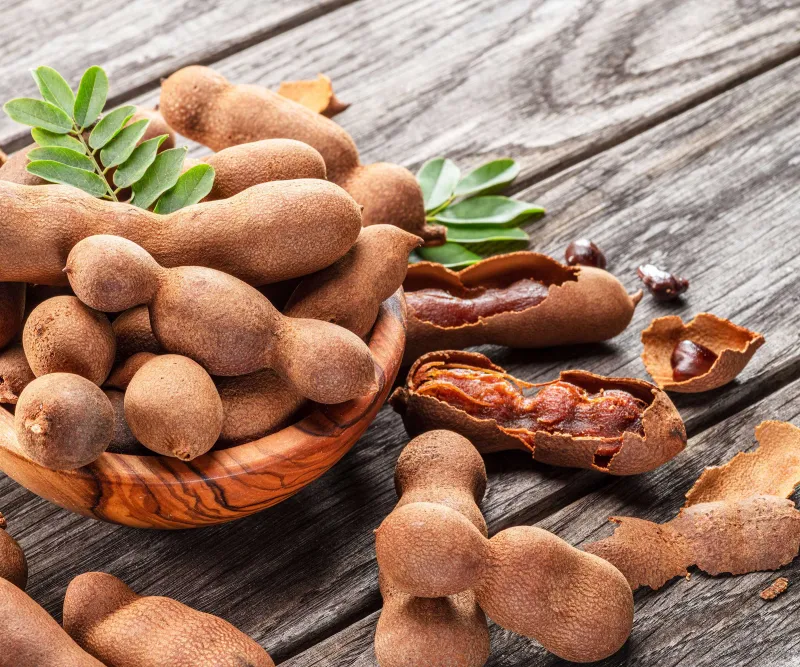
Photo: tamarind paste amchur lime pickle kokum Indian sour ingredients flat lay, via cdn.mos.cms.futurecdn.net
Britain has a long, happy relationship with acid. Malt vinegar on chips. Piccalilli on cold ham. A wedge of lemon next to something fried. We like a bit of sharpness to cut through the richness, and we are not shy about admitting it.
Indian cooking has its own sour shelf, and it is far more varied than a bottle of malt vinegar. Tamarind brings a dark, fruity tang. Amchur is bright and dry. Kokum is quietly floral. Lime pickle is salty, oily and loud in the best way. If you are the sort of person who adds extra vinegar without being asked, a sour-first Indian hamper is a genuinely useful gift — not a novelty, not a dare, just a different set of tools for the same job.
Sour is a flavour, not a challenge
There is a lazy assumption that Indian food is all about heat. It is not. Sourness is often the thing that makes a dish feel alive, and it is the easiest bridge between a British palate and an Indian pantry. You already understand why lemon works with fish, why pickle works with cheese, why vinegar works with chips. The jars below simply widen the vocabulary.
The trick is to treat sourness as an ingredient in its own right, not as a background note. A teaspoon of tamarind can change the whole mood of a sauce. A dusting of amchur can make roasted vegetables taste like they have been somewhere interesting. None of this requires a spice rack overhaul or a weekend at a cookery school.
The six-jar sour shelf
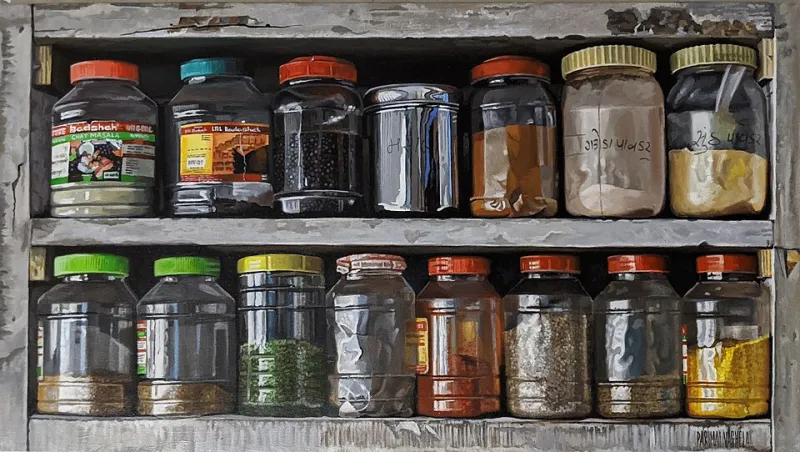
A good sour hamper has range: one wet paste, one powder, one dried fruit, one pickle, one chutney and one finishing tang. Six small jars is plenty. You do not need industrial quantities of anything.
Tamarind paste. Thick, dark and sticky, with a sourness that has depth rather than sharpness. Buy a paste rather than a concentrate if you can; it is easier to spoon and less likely to bully a dish. Use it in glazes, chutneys, dals and sauces. A teaspoon goes a long way.
Amchur. Dried green mango, ground to a pale beige powder. It is dry, bright and slightly fruity. Keep it for fried snacks, roast potatoes, cauliflower, chickpeas and marinades. It is not a substitute for lemon juice in a salad dressing, but it is excellent where you want tang without extra liquid.
Kokum. Dried rind, usually deep purple-black, with a soft fruity sourness. It turns up in coastal curries and cooling drinks. Steep a few pieces in hot water with a little salt and sugar and you have a simple sherbet; add it to fish curries for a gentler tang than tamarind.
Lime pickle. Salty, oily, sour and slightly bitter in the way good pickles are. This is the jar that will get used fastest. Stir it through rice, spread it in a cheese toastie, or put a spoonful next to a bowl of yogurt. The oil on top is normal; stir it back in.
Tamarind-date chutney. Sweet-sour and ready to use. This is the bridge jar for anyone nervous about the others. Use it as a dipping sauce, a sandwich spread or a glaze for roast chicken. It is also the one most likely to be finished before the hamper is unpacked.
Anardana. Dried pomegranate seeds, often ground. Tangy, slightly fruity and a little earthy. Sprinkle it over potatoes, chaat or lamb. It is not as aggressive as amchur, so it is a good finishing touch for people who like sourness in the background rather than the foreground.
How to pack it without overthinking it
Small jars are the way to go: 100g to 200g each is enough to try everything twice. A hamper is not a bulk-buy exercise. Buy one of each, add a card with a short note on what each jar does, and resist the urge to pad it out with chutneys that duplicate the same job.
A £25 to £35 budget is realistic if you shop at an Asian grocer or a good online supplier. Tamarind paste and lime pickle are usually the cheapest; kokum and anardana can be a little harder to find but are not expensive. Check labels for added sugar and oil if that matters to you, and buy amchur that is pale rather than muddy brown — it should smell fresh and tart, not dusty.
Storage is simple: cool, dark cupboard for the powders and dried kokum; fridge after opening for the paste, pickle and chutney. Write the opening date on the lid. A hamper that comes with a use-by note feels thoughtful rather than fussy.
Three weeknight uses that are not curry
Tamarind-glazed sausages with mustard mash
This is the recipe that converts sceptics. Brown six good Cumberland sausages in a roasting tin, then glaze with two tablespoons of tamarind paste, one tablespoon of honey, a teaspoon of soy sauce and a splash of water. Roast until sticky and dark at the edges. Serve with mashed potatoes stirred through with wholegrain mustard. The tamarind cuts the fat of the sausages and the sweetness of the honey keeps it from being too sharp. It is a twenty-minute supper that tastes like you made an effort.
Amchur roast cauliflower with yogurt
Toss cauliflower florets with oil, salt and a generous teaspoon of amchur. Roast hot until the edges are charred. Spoon over yogurt mixed with a little lime pickle and scatter with coriander. The amchur gives the cauliflower a dry, tangy edge that roasted lemon cannot quite manage. It works as a side, but it is good enough to eat as dinner with flatbreads.
Lime pickle cheese toastie
Butter two slices of good bread. Grate sharp cheddar and mix with a spoonful of lime pickle, then toast until the cheese melts and the pickle smells sharp and oily. This is not a refined sandwich. It is a very good one. Use a little pickle at first; it is salty and potent, and you can always add more.
Shopping notes for UK cooks
Asian grocers are your friend here, especially the larger ones in cities with good South Asian communities. Look for tamarind paste in tubs or jars, amchur in the spice aisle, kokum in packets near the dried fish or whole spices, and lime pickle in the condiment section. Online suppliers are useful if you live somewhere without a good grocer; buy from shops that turn over stock regularly so the powders are fresh.
The only real trap is buying tamarind concentrate when you wanted paste. Concentrate is fine in small amounts but can be very intense. If the label says ‘concentrate’, use half the quantity and taste as you go. Otherwise, this is a low-risk hamper. Nothing in it needs special equipment, and nothing will sit at the back of the cupboard for a decade.
At Indian Hamper Co., we like a hamper that earns its shelf space. A sour shelf does exactly that: it gives vinegar lovers a new set of flavours to play with, and it makes weeknight cooking feel a little sharper, brighter and more interesting.