Three Rices, One Shelf: The Hamper That Treats Grain as the Main Event

Photo: Mdarj.222, CC BY-SA 4.0, via Wikimedia Commons
Most UK kitchens have a reliable bag of basmati in the cupboard. It is the rice equivalent of a trusted pair of jeans: familiar, useful, hard to argue with. The trouble is that it becomes the only rice in the house, and every Indian dish gets the same grainy backdrop. A grain-first hamper is a quiet correction to that habit. Instead of building a gift around a curry paste or a spice blend, it starts with three rices — aged basmati, sona masoori and a nutty red rice — and then adds the dals, curry ideas and cooking notes that help each grain do its own job.
Why one bag of basmati became the default
This is not a criticism. Basmati is brilliant at what it does. UK supermarkets stock it widely, it keeps well, and it has a mild aroma that suits everything from a Friday-night curry to a weekend biryani. For a household cooking Indian food once a fortnight, one bag makes complete sense.
But basmati is not a universal rice. It is long, dry and separate, which is exactly what you want under a rich lamb curry or through a vegetable pulao. It is less suited to the soft, absorbent rice that sits beside a simple dal or soaks up rasam. Sona masoori has a different texture and a gentler flavour. Red rice brings chew and earthiness. Using basmati for everything is a bit like using one pan for every job: possible, but not the best route.
The three grains and what they actually do
Aged basmati: the special-occasion grain
Aged basmati is the one most UK cooks already know. Ageing reduces moisture in the grain, which helps it cook long and separate rather than clumping. It is the rice for biryani, pulao, rich curries and anything where you want the grains to stay distinct.
A practical cooking note: rinse until the water runs mostly clear, soak for 15 to 20 minutes, drain, then cook one part rice to one and a half parts water. Bring it to a boil, clamp on a lid, turn the heat low for eight to ten minutes, then let it rest off the heat for another ten. Fork it through rather than stirring. The rest matters as much as the boil.
Sona masoori: the everyday South Indian grain
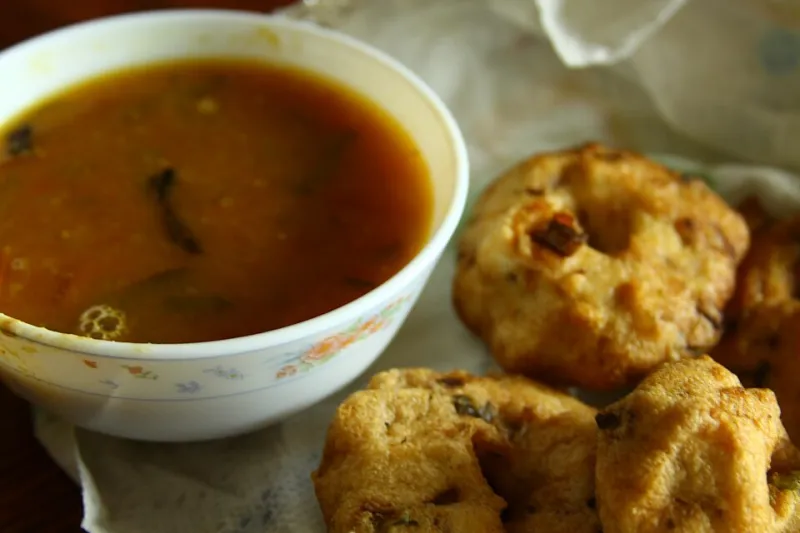
Sona masoori is a medium-grain rice with a softer bite and a faint stickiness. It is not trying to be basmati. It is the rice you want with dal, sambar, rasam, vegetable poriyal and curd rice. It absorbs liquid well and feels comforting rather than showy.
Cook it with a little more water than basmati — roughly one part rice to two parts water — and let it simmer gently with the lid on. If you use a rice cooker, follow its own measure rather than fighting it. A slightly sticky result is not a failure here. It is the point.
Nutty red rice: the one that makes you notice texture
Red rice is the grain that changes the meal. It has a chewy, wholegrain bite and an earthy, nutty flavour. It will not behave like basmati, and it should not be asked to. Soak it for about 30 minutes before cooking, use roughly one part rice to two and a half parts water, and give it 35 to 40 minutes on a low simmer. Check it as it goes; red rice varies.
It works with coconut curries, fish curry, winter greens and roasted squash. If you like brown rice but want more character, this is the bag to reach for.
Building the hamper so it works
Three bags of rice alone is a shelf, not a gift. The useful version includes a little structure: 500g to 1kg of each rice, labels with cook times and ratios, and a pairing card that says what each grain is for. A small spice sachet for each rice can help, but the real value is the guidance. A card that says basmati for biryani, sona masoori for dal and red rice for coconut curry is worth more than a novelty spoon.
| Grain | Best with | Quick cooking note |
|---|---|---|
| Aged basmati | Biryani, pulao, rich curries | Rinse, soak 15 minutes, 1:1.5 water, rest |
| Sona masoori | Dal, sambar, rasam, curd rice | Rinse, 1:2 water, simmer gently |
| Nutty red rice | Coconut curries, fish curry, greens | Soak 30 minutes, 1:2.5 water, longer cook |
Matching the grain to the dish
The aim is not to make you cook three rices a week. It is to stop one rice from doing three jobs badly. If you are making a Friday curry with a rich sauce, basmati is the natural choice. If you are cooking a midweek dal, sona masoori will feel more at home. If you are making a weekend fish curry or a coconut-heavy vegetable dish, red rice gives the meal something to push against.
That is the real gift here: not more clutter, but a better set of choices. A rice-led hamper teaches by doing. You cook the same dal you always cook, but with sona masoori instead of basmati, and the meal makes more sense.
Why this makes a genuinely useful gift
Food lovers often have spice racks, cookbooks and more condiments than they need. Rice is less glamorous but far more used. A grain-first hamper respects cupboard space. It does not demand that someone learn a new cuisine; it improves one that is already in rotation. For a friend who orders curry once a week but owns one bag of basmati, it is a gentle nudge. For someone who already cooks Indian food, it is a chance to match grain to dish rather than reaching for the same bag every time.
It also suits UK kitchens with limited shelf space. Three modest bags, one clear idea and a card that explains the difference will do more than a basket of novelty items. This is pantry shopping with a point of view.
The cooking notes that earn their place
The notes matter because rice is easy to get wrong in small ways. Hobs vary, pans vary and rice cookers vary. A simple card with ratios, soaking times and resting times removes the guesswork. It also encourages the cook to taste the rice on its own, not just under a sauce. Once you notice the difference between a separate basmati grain and a softer sona masoori grain, you start choosing deliberately.
That is the thinking behind a grain-first hamper: not more stuff, but a better set of choices. Rice gets top billing, and the rest of the shelf follows.