Mild, Thoughtful, Genuinely Useful: The Indian Hamper for Nervous First-Timers

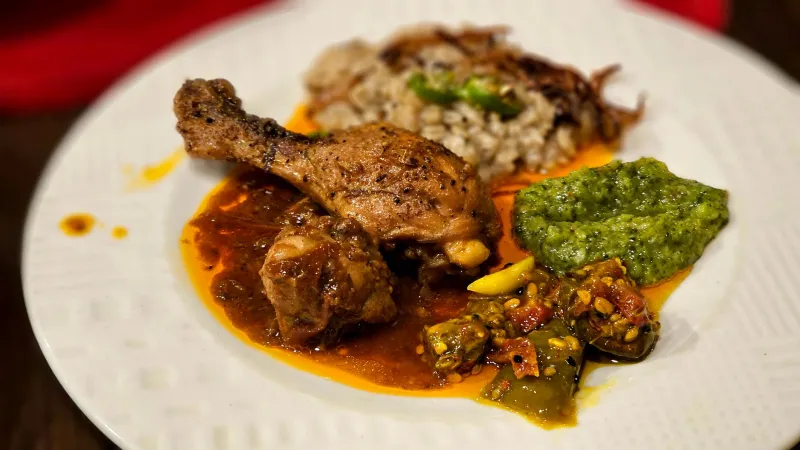
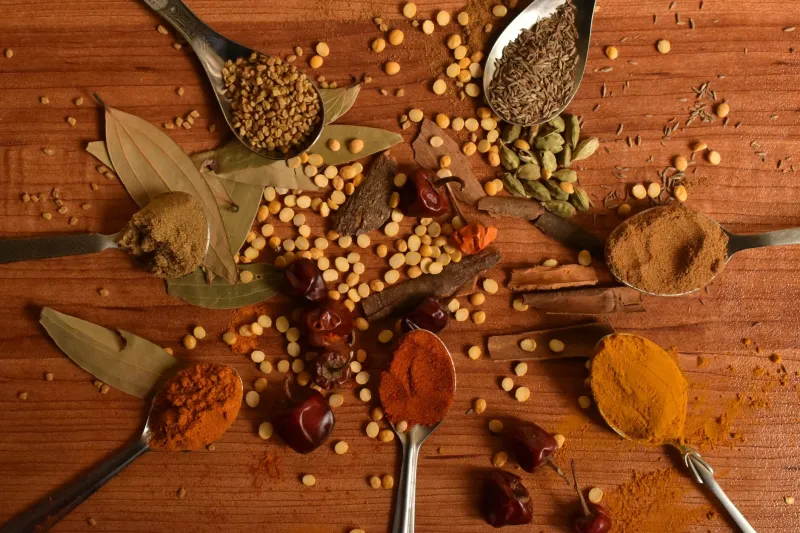
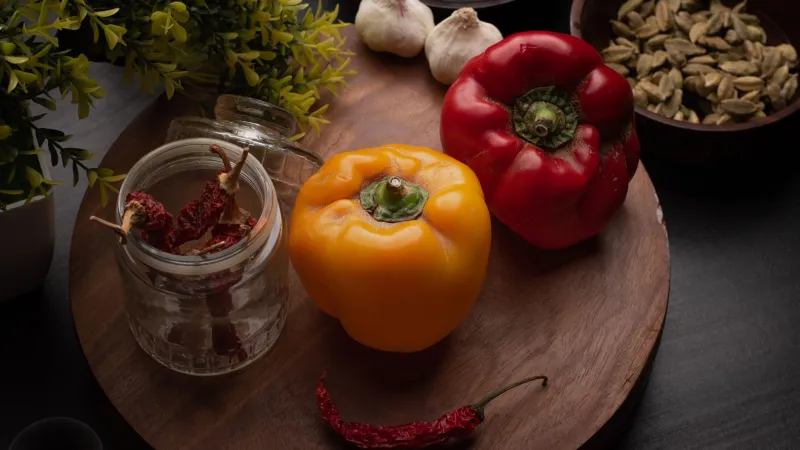
Photo: Indian spice hamper gift box with mild curry powder, garam masala, recipe card and basmati rice on wooden kitchen table, via get.pxhere.com
Gifting Indian food to someone who isn’t sure about spice is a bit like recommending a television series. You don’t start with the dense, slow-burning third season. You start with the episode that makes them ask for the next one. That’s the spirit behind a beginner-friendly Indian hamper: a polite introduction, not a show of strength.
The person you have in mind might be a parent, an in-law, or a host who has fed you well and mentioned, vaguely, that they “quite like a curry”. They are not looking for a cupboard takeover. They do not want a sack of whole spices and a stern note about tempering. They want something that feels generous, useful, and quietly confidence-building. Here’s how to build that hamper without overstaying its welcome.
Start With the Shelf, Not the Story
A common mistake is treating an Indian hamper as a miniature museum of regional cooking. It looks impressive on a table: twelve jars, five lentils, a pouch of something obscure, a card explaining the difference between two nearly identical blends. But for a nervous first-timer, that is a lot of homework in a box.
Better to think about the shelf your recipient already has. Most UK kitchens have room for three or four small jars, a pouch of rice, and a tin or two. That’s your footprint. The hamper should slip into their normal routine, not require a reorganisation of the cupboard under the stairs.
A useful rule is one blend, one finishing spice, one pulse, and one condiment. That gives them a curry, a side, and a way to adjust the flavour without needing a separate shopping trip. If you want to add rice or a flatbread, keep it to a single pouch or a supermarket-friendly packet. The gift is the starting point, not the whole cuisine.
The Three-Jar Rule for Mild Blends
Heat is the thing most likely to make a beginner retreat. So choose blends that are mild by design, not just “less hot than the other one”. A gentle curry powder, a small jar of garam masala, and a separate little tin of mild chilli powder give the recipient control. They can use the chilli by the quarter-teaspoon, or leave it out entirely. That matters. Choice turns a gift into something they can actually cook with.
For the main blend, look for something with a clear ingredient list and a suggested use. A mild curry powder that works in a quick chicken curry, a tray of roasted vegetables, or a lentil soup is ideal. Garam masala is the finishing touch: a half-teaspoon at the end of cooking adds warmth and aroma without heat. If you include a chutney, choose mango or a mild tomato one rather than a fiery pickle. It’s there to make the plate feel complete, not to test anyone’s tolerance.
Avoid the temptation to add a novelty hot sauce “for fun”. The recipient may laugh, then quietly put it at the back of the cupboard. A beginner’s hamper should have no booby traps.
A Recipe Card That Does the Teaching
A small recipe card is the most valuable thing in the box. Not a glossy booklet, not a lecture on spice routes, just one clear recipe that uses the items you’ve chosen. Print it on a decent card and tuck it in with the jars. If you’re hand-delivering, you can write a short note on the back: “This is the one to try first. Add the chilli only if you want a kick.”
A one-pot mild chicken, chickpea and spinach curry is a good candidate. It’s forgiving, uses familiar UK supermarket ingredients, and doesn’t demand special equipment. The card can say: soften an onion, add garlic and ginger paste, stir in a tablespoon of the mild curry powder, add chopped tomatoes, chickpeas and chicken thighs, then simmer until cooked. Finish with a spoon of yoghurt and a pinch of garam masala. Spinach goes in at the end. Serve with rice or a supermarket naan.
The point is not that this is the definitive curry. The point is that it gives the recipient a reliable first win. Once they’ve made one dish that worked, the jars stop looking like ornaments and start looking like ingredients.
Supermarket Shortcuts Are Not Cheating
There is a certain kind of food writing that makes people feel they need to toast and grind their own spices before they’re allowed to cook. That’s not helpful for a nervous beginner, and it’s not necessary for a thoughtful hamper. Supermarket shortcuts are fine. In fact, they’re part of the gift.
If you’re delivering the hamper by hand, add a bag of ready-washed spinach or a pack of supermarket naan. If you’re posting it, keep the shortcuts to shelf-stable things: a tin of chickpeas, a pouch of basmati rice, a jar of garlic paste, a tin of chopped tomatoes. You can even include a little card that says, “Everything else comes from Tesco.” That takes the pressure off. The recipient doesn’t need to hunt down a specialist shop on a wet Tuesday.
A good hamper respects the fact that most people cook on a weeknight, with limited time and a supermarket within walking distance. The spice blend is the guest, not the whole household.
What to Leave Out
Leave out the whole spices that need dry-frying and grinding, unless you know the recipient enjoys that kind of project. Leave out the enormous bag of dried chillies. Leave out the jar of something so specialist that the only recipe is on a website they’ll never find. And leave out the assumption that they already know what to do with it.
Also leave out the urge to over-explain. A short note is lovely. A four-page essay on the history of every jar is not. The gift should feel like a warm hello, not a correspondence course. If you want to say more, put a QR code on the recipe card linking to a simple recipe. That’s helpful without being heavy.
Wrapping It With the Right Tone
Presentation matters, but it doesn’t need to be elaborate. A small box lined with tissue paper, the jars nestled together, the recipe card on top, and a handwritten note is enough. If you’re giving it as a Christmas gift, a little ribbon is fine. If it’s a thank-you for a Sunday lunch, keep it simpler. The hamper should suit the occasion, not overwhelm it.
The note can be brief: “I thought you might enjoy trying this. Start with the curry card. No pressure, and no heat unless you want it.” That last bit is the key. You’re giving them permission to enjoy it on their own terms.
At Indian Hamper Co., we like a hamper that earns its place on the shelf. For a first-time Indian cook, that means mild blends, a clear recipe, a couple of friendly shortcuts, and absolutely no showing off. The result is a gift that feels thoughtful rather than intimidating. And if it leads to a second curry, or a request for the recipe, then it has done its job beautifully.