Three Jars, Three Curries: What to Do With Sunday’s Leftover Roast
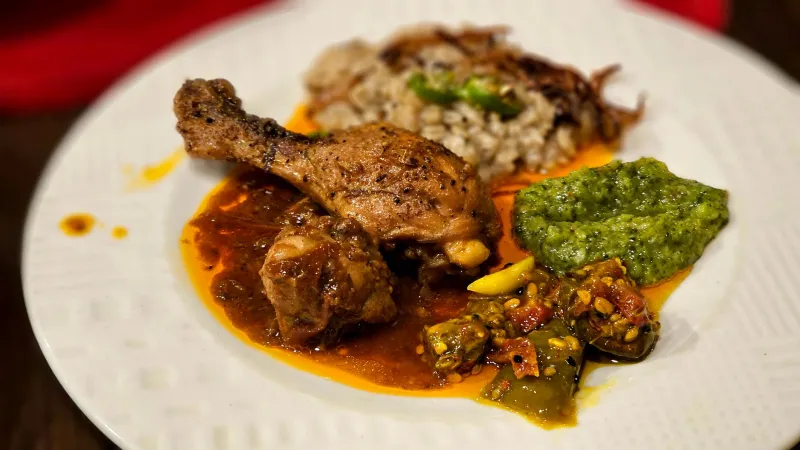
Sunday’s roast is a lovely thing on the day. By Monday, though, those last slices can feel like a chore. The trick isn’t to reheat them with gravy and hope for the best; it’s to give them a completely new accent. That’s where a small, sensible curry hamper earns its place on the shelf.
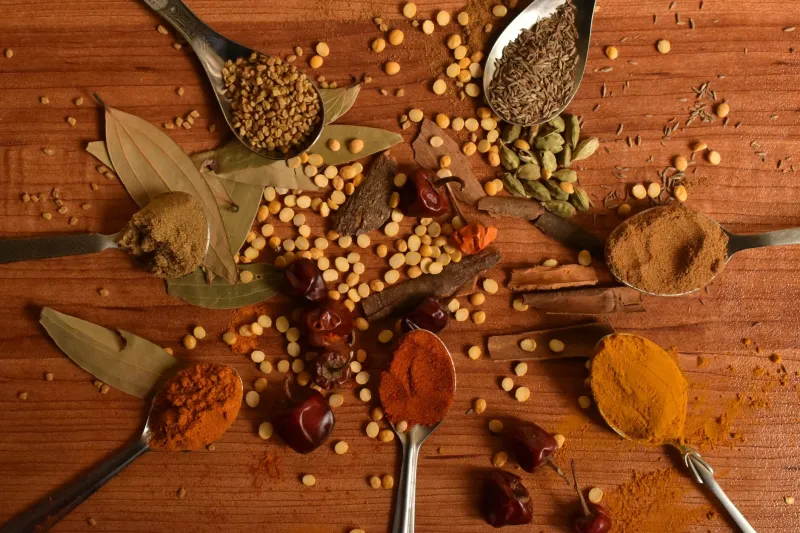
This isn’t about stocking fifteen jars for one mood. It’s about three base masalas that cover the weeknight basics: one onion-forward blend for depth, one coconut blend for softness, and one tangy blend for lift. Between them, you can take the same leftover roast in three different directions—and none of them will taste like Sunday repeated.
The hamper: three jars, one clear job each
The point of a base masala is to do the heavy lifting without asking you to measure eight spices after work. A good Monday curry hamper should feel practical rather than precious.
- Onion-forward masala – the back-of-the-cupboard workhorse. Think browned onion, warm spice and a savoury edge. It suits chicken, lamb and robust vegetables.
- Coconut masala – softer, rounder and gently sweet. Good with chicken, cauliflower, potatoes and anything that needs a little comfort.
- Tangy masala – bright and sharp, usually with tamarind or dried mango powder in the mix. It wakes up lamb, greens and dull leftover veg.
If you’re building this as a gift, keep it compact: three 100g jars, a short recipe card and perhaps a small packet of curry leaves or dried chillies. It feels considered without turning into a cupboard-clearing exercise.
Why these three work with leftovers
Leftover roast meat is already cooked, so it doesn’t need a long simmer to become tender. What it needs is a sauce with enough personality to stop it tasting tired. The three masalas above give you three different sauces without three separate shopping trips.
Vegetables are even easier. Roast carrots, parsnips, potatoes, cauliflower and sprouts all take kindly to a quick curry treatment. The onion masala gives them a savoury coat; the coconut masala makes them creamy; the tangy masala stops them feeling heavy.
A UK supermarket shopping list
You don’t need a specialist shop for the fresh bits. The jars can come from your hamper; the rest is ordinary supermarket fare.
- Onions – two large
- Garlic and ginger – a few cloves and a thumb-sized piece
- Chopped tomatoes – one tin
- Coconut milk – one tin
- Natural yoghurt – small tub
- Tamarind paste – small jar
- Fresh coriander – one bunch
- Green chillies – to taste
- Basmati rice or naan – for serving
- Optional: curry leaves, lemon, fresh spinach
If you already have a well-stocked spice shelf, you can add a pinch of cumin or mustard seeds, but don’t let that stop you. The base masalas are there to simplify, not to add homework.
Monday curry one: onion-forward chicken
Realistic time: 20–25 minutes
Soften a sliced onion in oil for 8–10 minutes until properly golden. Add garlic, ginger and a spoonful of the onion-forward masala, then cook for a minute until it smells rich rather than raw. Tip in a tin of chopped tomatoes and simmer for 8 minutes. Fold in shredded leftover roast chicken and warm through for 5 minutes. Finish with coriander and a squeeze of lemon.
This is the curry for people who think they want a takeaway. It’s savoury, thick and familiar, but the leftover chicken gets a second life rather than a reheat.
Monday curry two: coconut lamb with spinach
Realistic time: 25–30 minutes
Brown a chopped onion gently, then add garlic, ginger and the coconut masala. Pour in a tin of coconut milk and simmer for 10 minutes. Add sliced leftover lamb and a handful of spinach, then cook for another 5–7 minutes until the lamb is hot and the spinach has wilted. Season with salt and a little chilli.
The coconut masala softens the strong flavour of roast lamb without burying it. If you have leftover roast potatoes, add them too—they’ll soak up the sauce and make it a full plate.
Monday curry three: tangy vegetable curry
Realistic time: 20 minutes
Heat oil, add mustard seeds if you have them, then onion, garlic and ginger. Stir in the tangy masala and a spoonful of tamarind paste. Add chopped tomatoes and a splash of water, simmer for 6–8 minutes, then add leftover roast vegetables. Cook until everything is coated and hot. Finish with coriander.
This one is especially good with cauliflower, carrots and sprouts. The tangy edge cuts through the richness of roast veg and makes a Monday plate feel lighter without feeling worthy.
Which opened jars earn fridge space?
This is the practical bit. Base masalas with fresh garlic, ginger or wet pastes should go in the fridge once opened and be used within the time stated on the label—often around two to four weeks. Dry, oil-based blends are more forgiving; keep them in a cool, dark cupboard, tightly closed, and use within three to six months for the best flavour.
A simple rule: if it smells like a spice cupboard, it can stay in the cupboard. If it smells like a fresh curry base, it belongs in the fridge. Write the opening date on the lid. It takes ten seconds and saves a lot of sniffing later.
The hamper that earns its keep
The best Monday curry hamper isn’t the biggest one. It’s the one where every jar has a clear job and you actually reach for it on a dull Tuesday. Three base masalas, a few supermarket basics and Sunday’s leftovers are enough for three distinct dinners—no delivery app, no panic shop, no sad slice of meat on a plate.