Before the Kettle Boils: A South Indian Breakfast Shelf for Slow UK Mornings
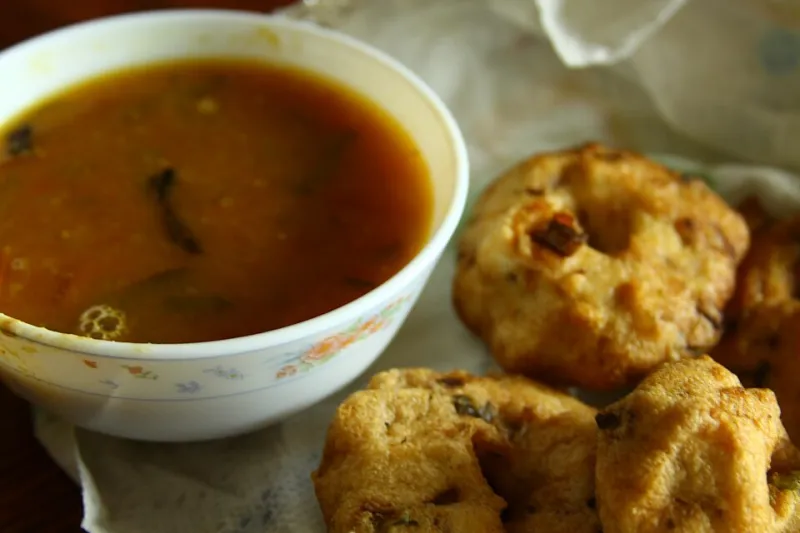
Photo: Namitakhaire, CC BY-SA 4.0, via Wikimedia Commons
Cereal is not the enemy. It is simply a race you finish before you have woken up. A bowl of flakes takes ninety seconds and asks nothing of you, which is exactly the problem on a dark November morning in Sheffield. A South Indian breakfast shelf asks a little more, but not as much as people think. The point of this hamper is not to recreate a restaurant menu at 7am. It is to put four or five useful things in one cupboard and one fridge shelf so that a weekday breakfast has texture, heat and salt instead of cold milk and sugar.
Most of these foods barely appear on British Indian restaurant menus. You will not often see poha, upma or a plain idli alongside the kormas and naans. That is a shame, because they are the sort of thing people actually eat at home: quick, cheap, and built for ordinary mornings rather than occasions.
A shelf, not a showpiece
Most breakfast hampers are really gift boxes: preserves, tea, a linen napkin. Useful, but not a routine. This one is built around repeat mornings. Four components do the work: a quick grain, a fermented batter, a sharp spoonful, and a proper cup. Everything fits in a shoebox-sized cupboard gap and a single fridge shelf. If a hamper cannot survive a Tuesday, it is not a breakfast hamper.
What goes on the shelf
- Thick poha: Look for thick or medium flattened rice, not the thin stuff that turns to paste. A 500g bag costs a few pounds in an Asian grocer; larger Tesco stores sometimes stock it in the world foods aisle. Keep it in a jar.
- Coarse rava: Sooji for upma, not fine semolina for halwa. Buy a small bag; it goes stale quietly.
- Idli and dosa batter: The honest shortcut is a fresh chiller pack from an Asian grocer — Leicester, Southall, East Ham, Manchester's Curry Mile and Birmingham all have reliable options. Check the date and avoid a packet that has swollen. Freeze half on arrival.
- Chutney podi: A dry chutney powder of roasted chana dal, sesame, dried chilli and curry leaves. It is the difference between a plain idli and a breakfast you look forward to. Buy a small jar; a little goes far.
- Filter coffee: Ground coffee with chicory, plus a steel filter if you are committing. A decoction keeps in the fridge for three days.
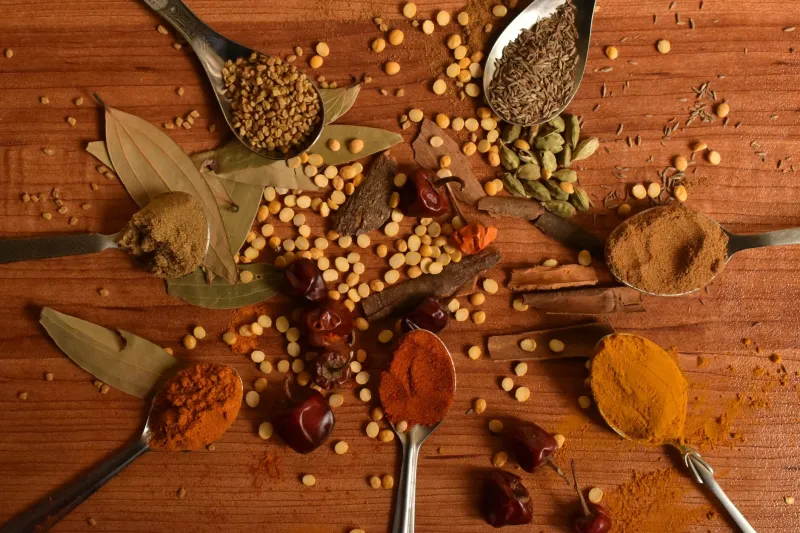
- Tempering kit: Mustard seeds, curry leaves, dried red chillies and ghee. These are the cheap multipliers.
Storage without drama
UK kitchens are small and often damp. Poha and rava go into airtight jars in a cool cupboard, away from the hob and the kettle steam. Podi keeps its edge in a small jar in the dark; if you buy a big bag, decant what you need and freeze the rest. Batter is the only diva. Keep it in the coldest part of the fridge, use within three or four days, and freeze in portions if you will not get through it. Never leave it out on the counter overnight to wake up — that is how you get a sour fridge and a sad breakfast.
The weekday route
Monday: poha. Tip 150g poha into a sieve, rinse under cold water for a minute, leave to drain. Heat a teaspoon of mustard seeds in ghee, add peanuts, curry leaves, a chopped onion if you have one, then the poha, turmeric and salt. Two minutes, lemon at the end. Seven minutes total.
Tuesday: upma. Put the kettle on. Dry-roast rava in a pan for two minutes, or buy it roasted. Temper mustard, curry leaves, green chilli, add any veg, then one part rava to two and a half parts hot water. Stir, lid on, five minutes. It should be soft, not gluey.
Wednesday: idli. If you have a microwave idli maker, three minutes. If you have a steamer, ten. Batter into greased moulds, steam while you make coffee. Eat with a spoon of podi and a drizzle of ghee. This is the morning that makes the shelf feel worth it.
Thursday: dosa. Thin the batter with a splash of water. A non-stick pan, medium heat, a ladleful spread thin. Two or three minutes. Fold it over podi and eat standing up.
Friday: filter coffee and something small. Two tablespoons of decoction, hot milk, sugar to taste. Pour between two vessels to froth it. If you have leftover upma, reheat it in a pan with a splash of water.
The weekend project: first batter
Buying batter is fine. Fermenting your own is a different kind of breakfast. Use 200g urad dal and 600g idli rice, plus one teaspoon of fenugreek seeds. Rinse the rice and soak it for five hours. Soak the dal and fenugreek for three. Grind the dal first with cold water until light and fluffy; grind the rice to a slightly grainy texture. Mix, add salt, and leave in a large bowl in a warm place for eight to twelve hours. In a UK winter, the airing cupboard or an oven with only the light on works. When the batter has risen and smells faintly sour, it is ready. If it does not rise, stir in a quarter teaspoon of baking soda just before steaming. Store in the fridge and use within four days.
Packing it as a gift
For a hamper, skip the fresh batter if you are posting it. Pack poha, rava, podi, coffee and a small tempering kit, then add a card with the ratios and a note to buy batter locally. If you are hand-delivering, a chiller pack of batter is a brilliant extra. The best Indian breakfast hamper does not look like a restaurant menu. It looks like a shelf that will still be useful in February.