Chai, Properly: The Hamper That Earns Its Kettle Time
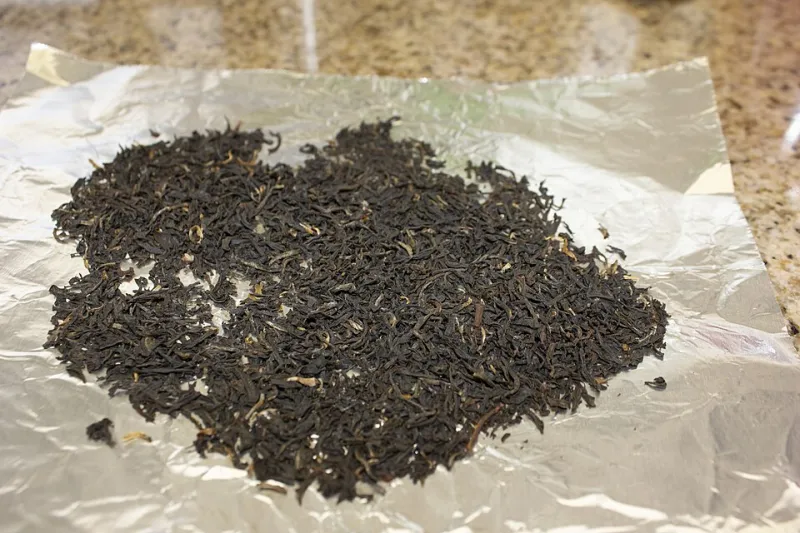
Photo: Oraola, CC BY-SA 4.0, via Wikimedia Commons
Chai is one of the easiest hamper themes to get wrong. A box of novelty tea bags, a cinnamon stick, and a mug with “chai” printed on it is not a chai hamper. It is a shelf ornament. A good chai hamper should smell like it has a job to do — and it should make the recipient want to put the kettle on before they have even unpacked it.
The trick is to build a kit, not a collection. Chai is a method: strong tea, milk, spice, and sweetness, simmered together. Once you understand the method, the hamper becomes obvious. You are giving someone the ingredients and the confidence to make it properly.
First, what makes chai chai
In the UK, “chai” is often used to mean a spiced milky tea. In India, chai is simply tea — but the everyday version is usually brewed strong, cut with milk, and sweetened. The spices vary by household. Some use cardamom and ginger; others add cloves, black pepper, or fennel. There is no single official recipe, which is exactly why a hamper works: you can give a starting point without pretending it is the only way.
The one thing to avoid is calling it “chai tea”. It is like saying “tea tea”. A small label that says “spiced milk tea” is clearer for anyone new to it.
The tea: Assam or Nilgiri
For a chai hamper, loose-leaf tea is the main event. You want something strong enough to stand up to milk and spice. Assam is the classic choice: malty, robust, and forgiving. Nilgiri is a good alternative if you want something brighter and slightly more fragrant. Both are widely available from UK tea shops and online specialists.
Look for a CTC Assam if the recipient likes a proper kadak chai — strong, reddish, and brisk. Orthodox leaves are gentler and more nuanced. A 100g packet is enough for several rounds and feels generous without becoming a lifetime supply. If you are including two teas, make them contrasting: one Assam, one Nilgiri.
Whole spices, not a premix
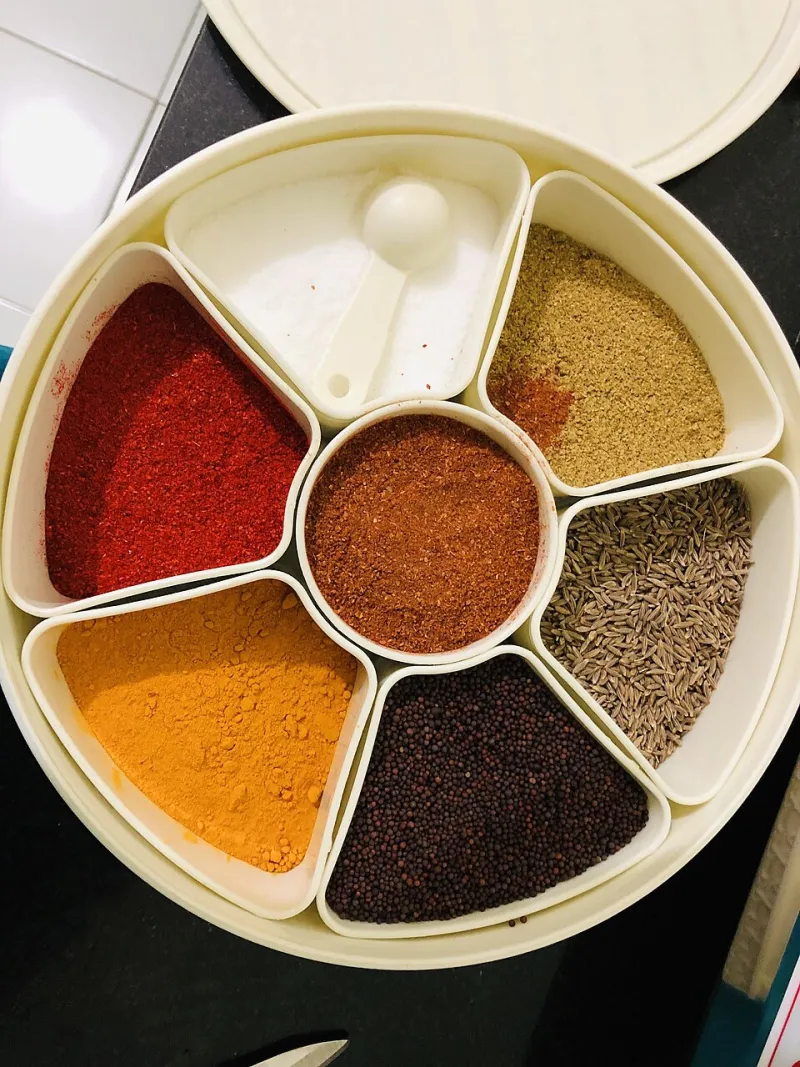
A chai masala premix can be convenient, but whole spices are a better gift. They look generous, they smell wonderful through the packet, and the recipient can adjust the balance. A small tin or paper bag of whole spices is also more attractive than a plastic tub.
A simple chai spice kit might include:
- Green cardamom pods
- Cloves
- A small cinnamon stick or cassia bark
- Black peppercorns
- Dried ginger or a fresh ginger note on the recipe card
- Optional: fennel seeds for a sweeter, aniseed edge
You do not need huge quantities. Ten cardamom pods, a dozen cloves, and a few cinnamon pieces are plenty for a gift. Label them clearly and include a note: “Crush the cardamom and cloves lightly before brewing.”
Jaggery and the sweetness question
Jaggery gives chai a deeper, more rounded sweetness than white sugar. It is available in UK Indian grocers and online, usually as blocks or powder. A small block looks lovely in a hamper, but powder is easier to use. If you include jaggery, add a note that it can be grated or dissolved in the hot tea.
Not everyone likes jaggery, so you could include a small bag of demerara sugar as a backup. That is not a cop-out; it is practical. The point is to make the first brew easy, not to force a purist approach.
The kit that gets brewed: strainer and small tools
A chai hamper needs a way to strain. A small fine-mesh strainer is inexpensive, useful, and much better than a novelty tea Infuser that clogs after one use. If you want to go further, add a small measuring spoon or a tiny stainless steel saucepan — but only if the recipient has space. The strainer is the one tool I would not skip.
A simple recipe card is the other essential. It turns the hamper from a pile of ingredients into a plan.
A simple brewing ratio to include
For two small cups, write this on the card:
- 300ml water
- 2 tsp loose-leaf Assam
- 4 green cardamom pods, lightly crushed
- 2 cloves
- 1 small piece cinnamon
- 1cm fresh ginger, grated (or a pinch of dried ginger)
- 150ml whole milk
- 2 tsp jaggery or sugar, or to taste
Bring the water and spices to a boil. Add the tea and simmer for 2–3 minutes. Add the milk and sweetener, bring back to a gentle boil, and simmer for another 2–3 minutes. Strain and serve. Adjust the tea and sugar to taste — chai is a personal thing.
Build-your-own versus buy-ready
Both approaches work, but they give different gifts. A build-your-own hamper is more personal and usually better value. You can choose the tea, control the spice quantities, and write a recipe that suits the recipient. It takes a little more effort, but it feels considered.
A buy-ready chai hamper is easier and often looks more polished. The risk is paying for packaging and getting a lot of filler. If you buy ready-made, check that it includes loose-leaf tea rather than tea bags, whole spices rather than a dusty premix, and a strainer. A good ready-made kit should be usable straight away.
Quick comparison: build-your-own wins on flexibility and cost; buy-ready wins on speed and presentation. If you are short on time, buy a ready-made base and add one personal touch — a recipe card, a better strainer, or a small bag of jaggery.
Biscuits that earn their place
A chai hamper needs something to dunk. Avoid fancy chocolate biscuits that fight with the spice. Plain, slightly sweet biscuits are better: nankhatai, shortbread, digestive biscuits, or a simple tea biscuit. If you can find Parle-G in a UK Indian grocer, it is a nostalgic and genuinely useful addition. A small packet of nankhatai feels more special and pairs well with the cardamom in the chai.
Presentation tips for UK buyers
Use a reusable tin or a sturdy box rather than a plastic-wrapped basket. Put the tea in a small paper bag or tin, the spices in labelled glass jars or paper packets, and the jaggery in a little cloth bag. Add the strainer, the recipe card, and a short note explaining the ratio. If you are posting it, wrap glass jars in paper and avoid loose powders that can spill.
A chai hamper should look like something you want to open on a cold afternoon. More importantly, it should be something the recipient can actually brew. That is the difference between a gift that sits on a shelf and one that earns its kettle time.