Skip the Shiraz: The Dinner-Party Gift That Actually Earns Its Cupboard Space
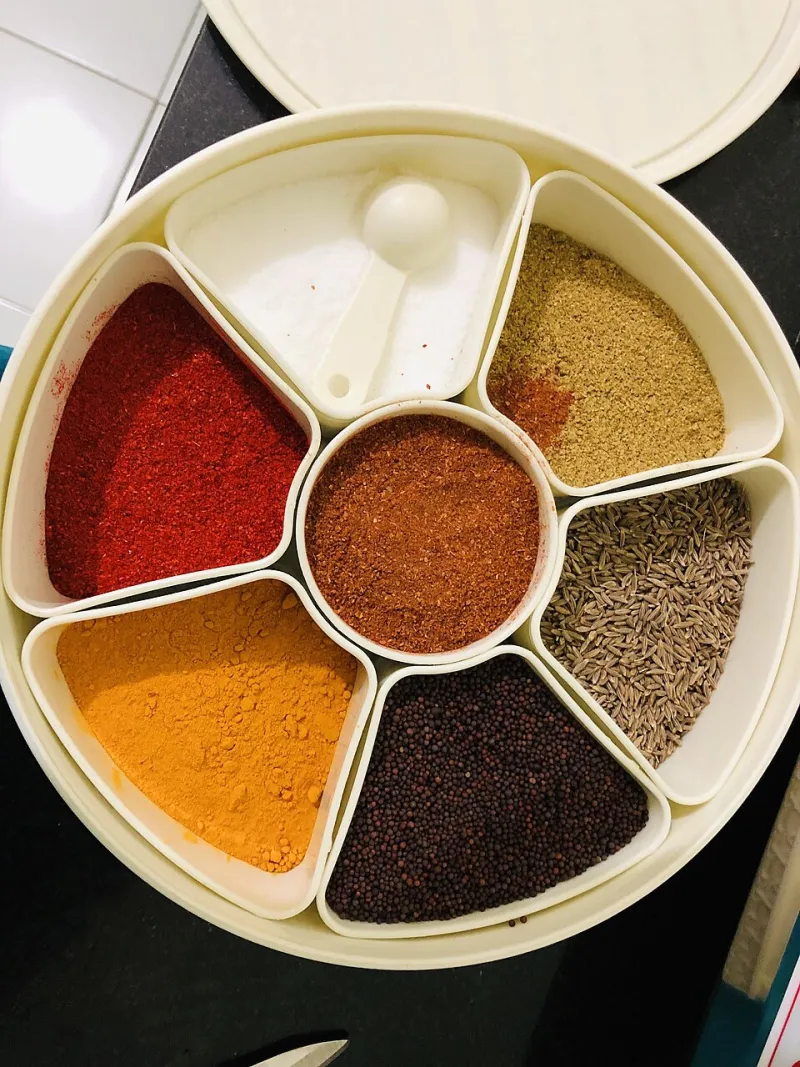
Photo: Maskaravivek, CC BY-SA 4.0, via Wikimedia Commons
There is a moment in every UK dinner-party season when you realise you have become the person who brings wine. It is not a bad role. Wine is generous, familiar and easy to hand over at the door. But as Christmas 2026 approaches and the invitations start stacking up, it is worth asking whether the default bottle is really the most thoughtful gift you can give.
A regional Indian spice box is not a flashy present. It does not arrive with a bow the size of a cushion. It is, however, the sort of gift that tends to be remembered. It earns its place in the kitchen, not just on the drinks shelf.
The default bottle is not the problem
Let us be clear: wine is lovely. A good host will appreciate it, and nobody is suggesting you turn up empty-handed instead. The issue is predictability. A bottle is safe. It is also the gift that three other guests may have had the same idea about. If your host does not drink, it becomes a cupboard ornament. If they do drink, it may be saved for an occasion that never quite arrives.
A spice box works differently. It is useful from the first week. It invites the host to cook something, or to cook something familiar in a slightly different way. It has a story attached to it, which is more than can be said for most supermarket Shiraz.
Why a spice box suits a British kitchen
Space is precious here. Most of us do not have a sprawling larder, and another bulky gift can feel like an obligation. A small spice box is compact. It slides into a cupboard or sits comfortably beside the hob. It is consumable, which means it disappears as it is used rather than lingering as clutter.
It is also genuinely practical. A tin of Bengali panch phoron can lift roasted carrots. A spoon of Punjabi garam masala can finish a tin of chickpeas. Goan recheado paste can turn a pack of supermarket prawns into something that feels like a weekend project. The host does not need special equipment or a specialist shop. They just need a spoon and a little curiosity.
Regional means personal
A generic curry powder says little. A regional blend says you paid attention. It says you know that Bengali cooking and Goan cooking do not taste the same, and that a Kashmiri chilli is more about colour and fruitiness than pure heat. That small bit of specificity makes the gift feel chosen rather than grabbed.
It also gives the host something to talk about. Spice boxes invite questions. What is in this one? How hot is it? What should I cook first? That is a much better dinner-party conversation than another round of what wine goes with what.
Price brackets that hit the right note
Host gifts should feel generous without turning into a competition. You are not trying to outspend your host or make them feel they have to reciprocate.
At £15 to £20, you can find a single regional blend, a small trio, or a neatly packed starter box. This is the sweet spot for a casual supper. Add a handwritten card with one serving suggestion and it feels far more considered than the price tag suggests.
At £20 to £30, you can choose a curated box with two or three regional blends, perhaps a chilli and a finishing masala. This works well for a host who cooks often and will actually use the contents.
At £30 to £40, you are into proper gift territory: a larger regional selection, a more substantial box, or a set that covers several cooking styles. Spend this much only if it feels natural. The best host gift is the one that does not make the recipient awkward.
Match the blend to the host
This is where a spice box beats a bottle every time. You can tailor it. Think of it as a host personality guide.
- The chilli chaser. Go for Goan recheado or Chettinad masala. Both bring heat, but they are not one-note. Recheado has tang and sweetness from tamarind and vinegar; Chettinad is peppery and fragrant. This is for the host who keeps a chilli grinder on the counter.
- The cautious beginner. Choose Punjabi garam masala or a mild Bengali panch phoron. Both are approachable and forgiving. Garam masala can finish a curry; panch phoron can be sprinkled into oil before roasting vegetables. Neither requires a leap of faith.
- The veg-forward cook. Bengali panch phoron is the obvious pick. It is excellent with potatoes, carrots, cauliflower and squash. Add a small Kashmiri chilli for colour and you have a thoughtful, practical pair.
- The weekend project cook. Parsi dhansak masala is the one. It suggests slow lentils, squash and a sweet-sour finish. It is for the host who enjoys a recipe with a bit of history.
- The comfort-food traditionalist. Punjabi garam masala is safe without being boring. It fits the way many UK cooks already make curries, but a good blend will taste fresher and more layered than the jar at the back of the cupboard.
- The person who has everything. A single-origin Kashmiri chilli or a small regional trio is ideal. It is specific, useful and unlikely to be duplicated.
A few etiquette notes
Check for allergies and dietary needs if you can. Spice blends are usually naturally vegan, but pastes and mixes can vary. If the host keeps a gluten-free or low-salt kitchen, choose accordingly. Whole spices and ground blends both work, but ground blends are more immediately useful. Include a card with one recipe idea. Keep the packaging simple. And do not overspend. A host gift should be a pleasure, not a debt.
The bottle can stay, just not alone
If you love bringing wine, bring wine. But consider pairing it with something smaller and more personal: a £15 spice box, a single regional blend, a little jar of Kashmiri chilli. The bottle gets opened. The spice box gets used. One is a gesture; the other is a small invitation into the host's kitchen.
At Indian Hamper Co., we are biased, of course. But the test is simple. Which gift will still be in the cupboard in February, and which one will have been forgotten by the recycling bin? A regional spice box tends to win that argument.