The Quiet Pinch: Why Asafoetida Deserves Its Own Corner of the Cupboard
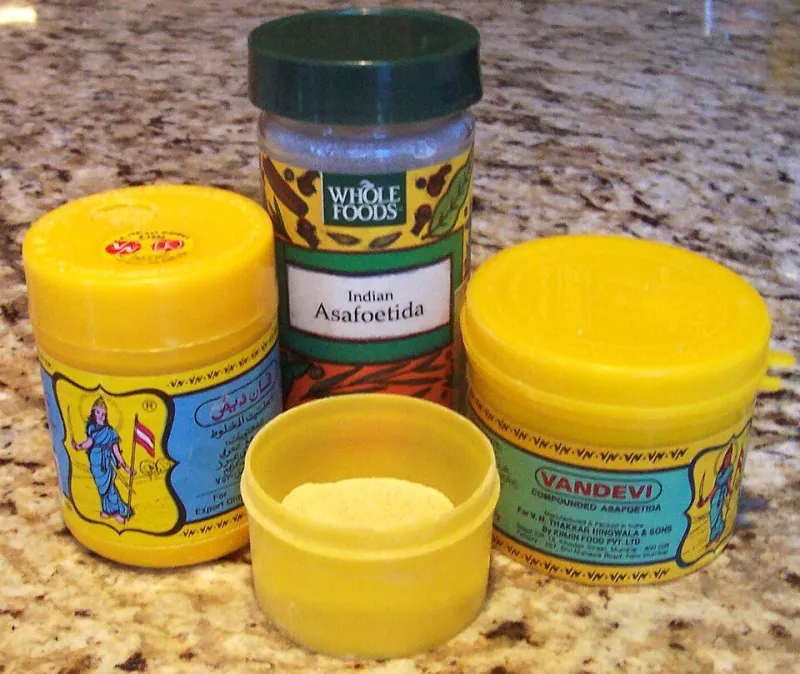
Photo: Unknown, CC BY-SA 3.0, via Wikimedia Commons
There are spices that announce themselves from the moment you open the cupboard — smoked paprika, star anise, a really fresh batch of cumin. Then there is asafoetida. In the jar, it is unapologetically pungent. In the pan, it turns into something quietly savoury, almost onion-like, and slightly mysterious. It is the kind of ingredient that makes people lean over the pot and ask what you did differently.
For anyone cooking around an onion intolerance, a low-FODMAP plan, or a Jain household, hing — as it is usually called — is not a novelty. It is a workhorse. And yet in most UK kitchens it is either absent or hiding at the back of a shelf in a bag that has never been properly sealed. That feels like a missed opportunity. A small, well-chosen asafoetida hamper can fix that in one go.
What Exactly Is Asafoetida?
Asafoetida is a resin taken from the roots of a fennel-family plant, most commonly Ferula assa-foetida. The sap is dried and sold either as hard lumps or, more often in the UK, as a compounded powder. That powder is usually cut with wheat flour and gum arabic to make it easier to use, which is worth checking if you cook gluten-free. The smell straight from the jar is sulphurous and sharp — somewhere between garlic, leek and a very old boot. Cooked in fat, it softens into a rounded, savoury hum.
It is not a direct one-for-one swap for onions. It will not give you sweetness or bulk. What it does give you is the base note: that deep, allium-adjacent savouriness that makes dal taste like dal and gives vegetable curries a bit of backbone.
The Storage Problem, Solved
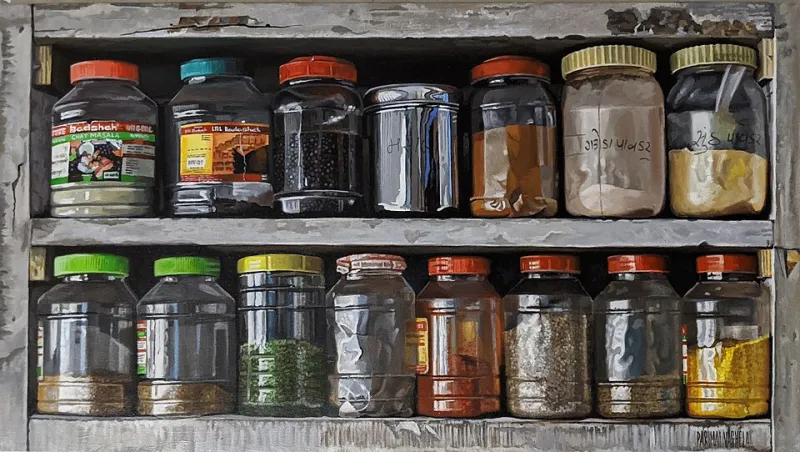
Let’s be honest: the main reason people avoid hing is the smell. A loose bag can scent an entire shelf, and not in a charming way. The fix is simple. Keep it in a small airtight jar, and keep that jar inside a second airtight container or a sealed freezer bag. Label it. Store it away from heat and light. Do not put it next to your tea, your biscuits or anything you plan to eat raw.
You do not need to refrigerate compounded powder, though a cool cupboard is better than a shelf above the hob. If you buy resin lumps, wrap them tightly and treat them with the same suspicion you would give a very strong cheese. A little containment goes a long way.
Bloom It, Don’t Burn It
Asafoetida needs heat to mellow, but it is shy. Heat your ghee or oil over a low flame, add a pinch, and watch for a soft sizzle and a pale foam. That takes seconds — ten to fifteen at most. If it starts to brown, you have gone too far. Scoop it out and start again, because burnt hing turns bitter and medicinal in a way no amount of salt will fix.
Add it at the start of cooking, along with cumin or mustard seeds, not at the end. It needs that brief contact with fat to lose its raw edge. And use less than you think. An eighth of a teaspoon is enough for a dal that serves four. A quarter teaspoon is a lot. A full teaspoon is a cry for help.
Building the Hamper
The point of an asafoetida hamper is not to be weird for the sake of it. It should be a working shelf: a small set of ingredients that actually get used together. Start with a decent compounded hing — a 50g tub will last months — or a small resin jar for someone who wants to grind their own. Then add the supporting cast:
- Cumin seeds, because they bloom alongside hing in almost every tarka.
- Black mustard seeds, for that pop and slight bitterness.
- Dried curry leaves, which are criminally underused in UK kitchens and keep well.
- Kashmiri chilli powder, for colour without too much heat.
- Ground turmeric, the quiet base of most dals.
- A small bag of moong dal or red lentils, so the hamper can become dinner immediately.
- A simple recipe card for tarka dal, printed on something that can survive a splatter.
- A tiny measuring spoon — an eighth-teaspoon measure is genuinely useful here.
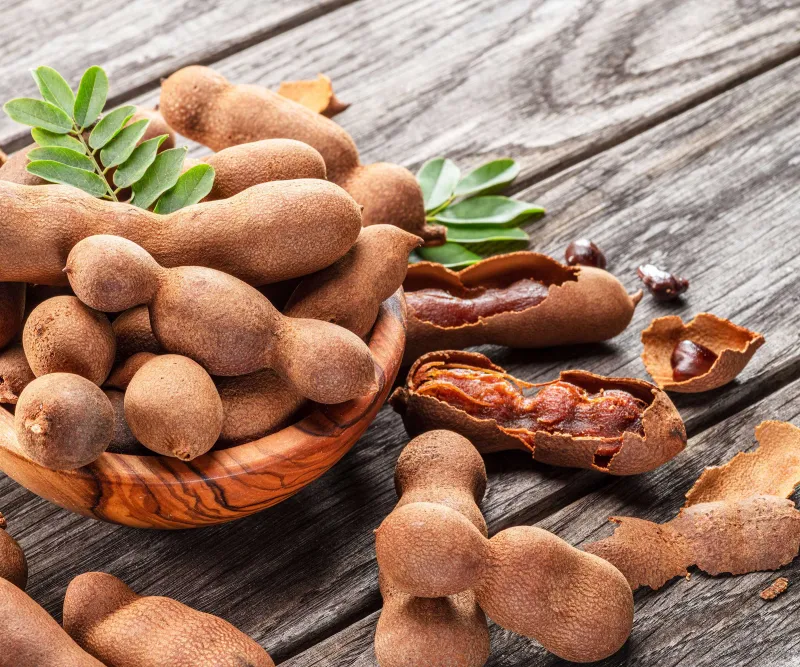
The rule is no duplicates. If the recipient already has turmeric, leave it out and add tamarind paste instead. The hamper should feel like a considered set, not a spice drawer in miniature.
A Recipe Card Worth Including
A beginner-friendly tarka dal is the best advert for hing. Rinse 200g red lentils and simmer them with 700ml water, half a teaspoon of turmeric and a pinch of salt until soft — about twenty minutes, skimming any foam. In a separate small pan, warm two tablespoons of ghee or oil. Add half a teaspoon of cumin seeds and half a teaspoon of mustard seeds. When they pop, add a generous pinch of asafoetida, a dried chilli or a pinch of chilli powder, and a few curry leaves if you have them. Let it sizzle for ten seconds, then pour the whole lot into the dal. Stir, squeeze in lemon juice, and taste for salt. That is it. No onion, no garlic, no apology.
The Beginner’s Rule: Less Than You Think
If you take one thing from this, make it this: start with a pinch. Asafoetida is strong, and the difference between ‘savoury’ and ‘medicinal’ is smaller than you would like. Add it to hot fat, not to a finished dish. Pair it with something acidic — lemon, tamarind, a splash of vinegar — to keep it bright. And if you are unsure, use half of what the recipe says.
Who It’s For
This is a hamper for the person who cooks around an allium intolerance but misses the depth of onions. It is for the curious cook who has seen hing in a recipe and wondered what the fuss is about. It is for anyone building a pantry that works a bit harder than a decorative jar of chilli flakes. It is not a flashy gift. It is a useful one — and in a kitchen, useful tends to win.
A good asafoetida hamper does not need to be big. A tin, a few seeds, a dal recipe and a very small spoon. That quiet pinch will earn its corner of the cupboard.